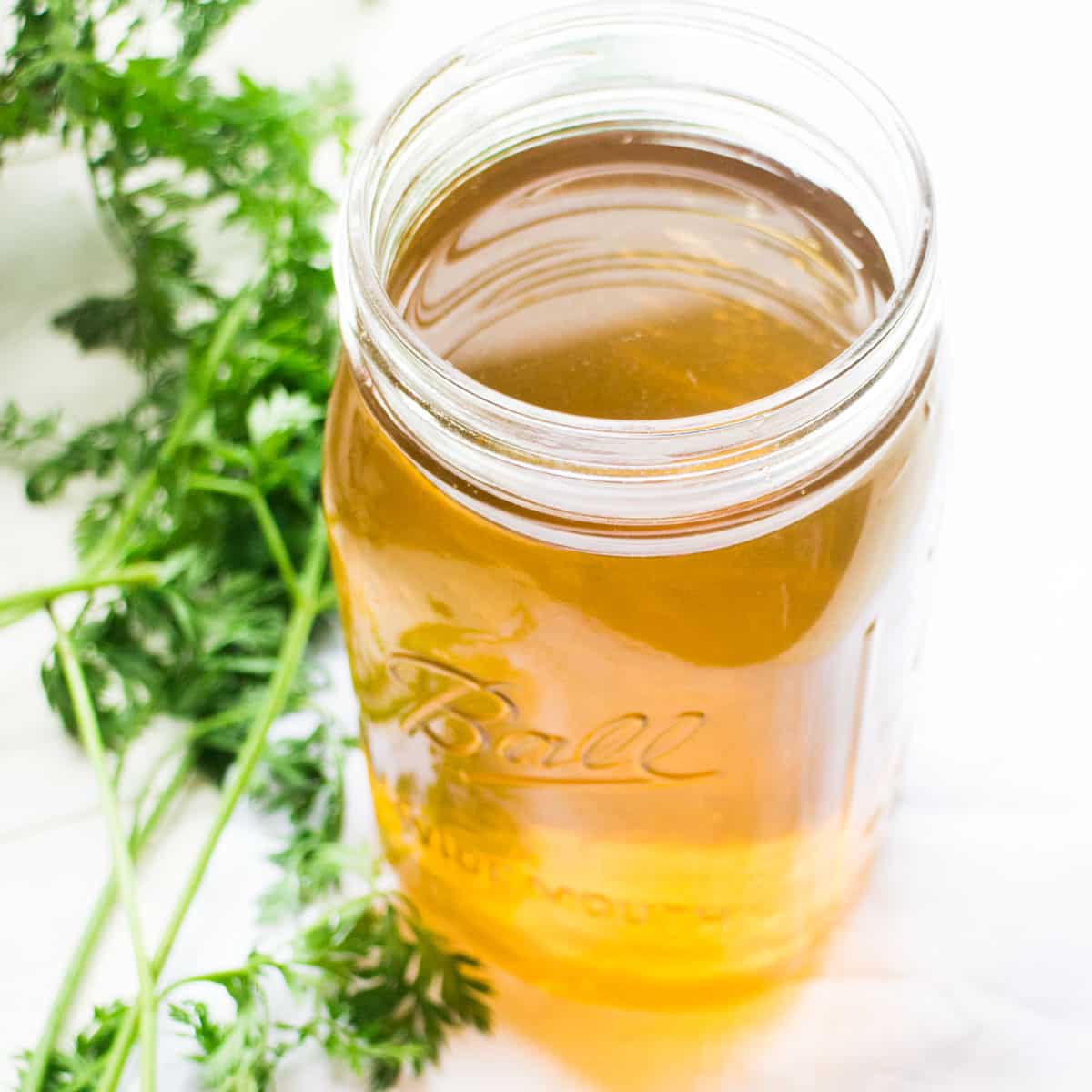
Unlock the Hidden Potential: Transform Carrot Tops into Flavorful Homemade Broth
In a world increasingly focused on sustainability and mindful consumption, the concept of "zero-waste" cooking is gaining significant traction. One of the simplest yet most impactful ways to embrace this philosophy is by repurposing ingredients typically destined for the compost bin. Enter the humble carrot top – those vibrant, leafy greens that often get discarded without a second thought. What many don't realize is that these greens are not only edible but also an incredible foundation for a rich, aromatic homemade vegetable broth. By learning to freeze homemade broth crafted from these often-overlooked greens, you're not just making a delicious staple; you're actively minimizing waste, saving money, and infusing your cooking with a depth of flavor that store-bought alternatives simply can't match.
Imagine the satisfaction of creating a warm, nourishing soup on a chilly evening, knowing that its flavorful base came from ingredients you would have otherwise thrown away. This article will guide you through the process of making and preserving an exquisite carrot tops vegetable broth, transforming forgotten greens into a kitchen essential.
Why Your Kitchen Needs Carrot Tops Vegetable Broth
The decision to utilize carrot tops for broth extends far beyond mere culinary curiosity. It's a conscious choice with multiple benefits for your pantry, your wallet, and the planet. Let's explore why these leafy greens are a game-changer for homemade broth:
- Edibility and Flavor Profile: Dispelling a common misconception, carrot tops are indeed edible! In fact, some European markets even sell them, recognizing their culinary value. While they possess a slightly bitter, earthy, and herbaceous flavor distinct from the sweet carrot root, this very characteristic makes them ideal for broth. They impart a fresh, peppery, and subtly sweet undertone that elevates any soup, stew, or sauce. Their unique essence adds complexity without overpowering other ingredients. For more on their edibility, check out our related article: Are Carrot Tops Edible? Make Easy Homemade Vegetable Broth.
- Significant Waste Reduction: Food waste is a colossal problem, with significant environmental and economic implications. By transforming carrot tops into broth, you're directly diverting organic material from landfills, reducing methane emissions, and getting the most out of every purchase. This simple act is a powerful step towards a more sustainable kitchen. If you're a gardener who pours love into every plant, using the greens means honoring the full bounty of your harvest.
- Economic Savings: High-quality store-bought vegetable broth can be surprisingly expensive. Making your own with ingredients that would otherwise be discarded is virtually free. Over time, these savings add up, making homemade broth a smart financial choice for any home cook.
- Nutritional Value: While much of the nutrients will remain in the solid plant material that is strained out, the simmering process extracts beneficial compounds into the broth. Carrot tops contain vitamins K and C, as well as potassium, and trace minerals. While not a primary source of these nutrients, your broth will still be more wholesome and free from unwanted additives often found in commercial options.
Crafting Your Own Carrot Tops Vegetable Broth: A Simple Guide
Making a delicious batch of carrot tops vegetable broth is surprisingly straightforward, requiring minimal ingredients and effort. Here's how to turn those vibrant greens into liquid gold:
Ingredients You'll Need:
- The green tops from 1-2 bunches of carrots (the more, the merrier for flavor!)
- 8 cups of cold water
- 2-3 bay leaves (optional, but they add a lovely aromatic depth)
- 1 teaspoon sea salt (or to taste, remember you can always add more later)
- Optional additions: Freshly peeled carrot skins, a few black peppercorns, a sprig of parsley, or a celery stalk end. Avoid strong-tasting vegetables like broccoli or cabbage, as they can make your broth bitter.
Step-by-Step Instructions:
- Thorough Cleaning: This is a crucial step, especially if your carrots are fresh from the garden. Carrot tops can harbor a significant amount of dirt and grit. Rinse them vigorously under cold running water, shaking them well to dislodge any soil. You might need to rinse them multiple times until the water runs clear. Pat them lightly dry.
- Prepare the Pot: Place the cleaned carrot tops into a large soup pot or Dutch oven. Add the 8 cups of cold water, bay leaves, and salt. If you're using any optional ingredients like carrot peels or peppercorns, add them now.
- Bring to a Boil: Place the pot over high heat and bring the mixture to a rolling boil.
- Simmer for Flavor: Once boiling, immediately reduce the heat to low, allowing the broth to maintain a gentle simmer. Cover the pot partially to prevent too much liquid from evaporating. Let it simmer for at least 1 hour. During this time, the carrot greens will soften, break down, and infuse the water with their delightful flavor. You'll notice the liquid change color, taking on a subtle greenish-yellow hue. Expect to lose about 1/2 to 1 cup of liquid during this process; 8 cups of water typically yields about 7 cups of finished broth.
- Strain and Discard: Carefully remove the pot from the heat. Place a fine-mesh strainer or colander over a large heatproof bowl. Slowly and carefully pour the entire contents of the pot through the strainer, allowing the liquid to collect in the bowl below. Once all the liquid has passed through, gently press on the solids in the strainer with the back of a spoon to extract any remaining liquid. Discard the spent carrot tops and bay leaves – better yet, add them to your compost bin, continuing your zero-waste journey!
- Cool Completely: Allow the freshly made carrot tops vegetable broth to cool completely to room temperature before storing. This prevents condensation and keeps the broth fresh longer.
Maximizing Your Broth & Kitchen Scraps: Beyond Carrot Tops
While carrot tops form an excellent base, you can elevate your homemade broth and further reduce waste by incorporating other suitable kitchen scraps. The key is to choose scraps that will contribute pleasant, mild flavors without making the broth bitter or overwhelming.
- Collect and Freeze Scraps: Keep a large freezer-safe bag or container in your freezer labeled "Broth Scraps." Throughout the week, add clean, suitable vegetable trimmings to it. This might include:
- Onion skins and ends
- Celery ends and leafy parts
- Mushroom stems
- Parsley or cilantro stems
- Leek greens (ensure they are very well washed)
- Garlic peels (a few are fine, too many can be overpowering)
- What to Avoid: Steer clear of cruciferous vegetables like broccoli, cauliflower, cabbage, or Brussels sprouts, as they can impart a strong, sometimes unpleasant, bitter flavor to your broth. Also, avoid anything moldy or rotten.
- Boost the Flavor Profile:
- Roasting First: For a deeper, richer broth, consider lightly roasting your vegetable scraps (including carrot tops) on a baking sheet at 400°F (200°C) for 15-20 minutes before simmering. This caramelizes the natural sugars and adds an extra layer of umami.
- Aromatics: Don't hesitate to add a quartered onion, a couple of garlic cloves (smashed), or additional fresh herbs like thyme or rosemary if you have them on hand.
Storing Your Liquid Gold: Freezing for Future Use
One of the greatest advantages of making homemade carrot tops vegetable broth is the ability to store it for future use, ensuring you always have a healthy, flavorful base on hand. Proper storage is key to maintaining freshness and preventing spoilage.
- Refrigerator Storage:
- Once your broth has cooled completely, transfer it to airtight containers, such as clean glass mason jars or sturdy plastic containers.
- Store in the refrigerator for 5-6 days. Ensure the containers are well-sealed to prevent absorption of other food odors.
- Long-Term Freezer Storage: This is where your efforts truly pay off, allowing you to stock up for months! Frozen vegetable broth is good for 6-8 months.
- Freezer Bags: For space efficiency, pour cooled broth into freezer-safe bags. Fill them to about 3/4 capacity to allow for expansion. Lay the bags flat on a baking sheet in your freezer until they are solid, then store them upright to save space. Make sure to remove as much air as possible before sealing to prevent freezer burn.
- Ice Cube Trays: For smaller portions (perfect for deglazing a pan or adding a splash to a sauce), pour broth into ice cube trays. Once frozen solid, transfer the broth cubes to a larger freezer-safe bag or container.
- Silicone Molds: Large silicone molds (like those for muffins or specific freezer-broth molds) are excellent for freezing measured portions (e.g., 1-cup blocks).
- Airtight Containers: You can also freeze broth directly in sturdy, freezer-safe plastic containers or jars. If using jars, leave at least an inch of headspace to account for expansion, and opt for wide-mouth jars to reduce the risk of cracking.
- Defrosting Your Broth:
- Refrigerator Thawing: The safest method is to transfer frozen broth to the refrigerator overnight to thaw gradually.
- Microwave: For quicker thawing, use your microwave's defrost setting, or heat in short bursts until liquid.
- Direct Heat: For soups or stews, you can often add frozen broth directly to a pot over low heat, allowing it to melt into your dish.
Conclusion
Embracing the art of making carrot tops vegetable broth is more than just a recipe; it's a small but significant step towards a more sustainable and flavorful kitchen. By repurposing what would typically be discarded, you're not only creating a nourishing and delicious culinary staple but also contributing to the reduction of food waste and saving money. The process is simple, the benefits are numerous, and the satisfaction of knowing you've made the most of every ingredient is truly rewarding. So next time you bring home those beautiful carrots, don't let their greens go to waste. Turn them into a vibrant, homemade broth that will elevate your cooking and fill your home with comforting aromas. Happy gardening, and happy zero-waste cooking!
