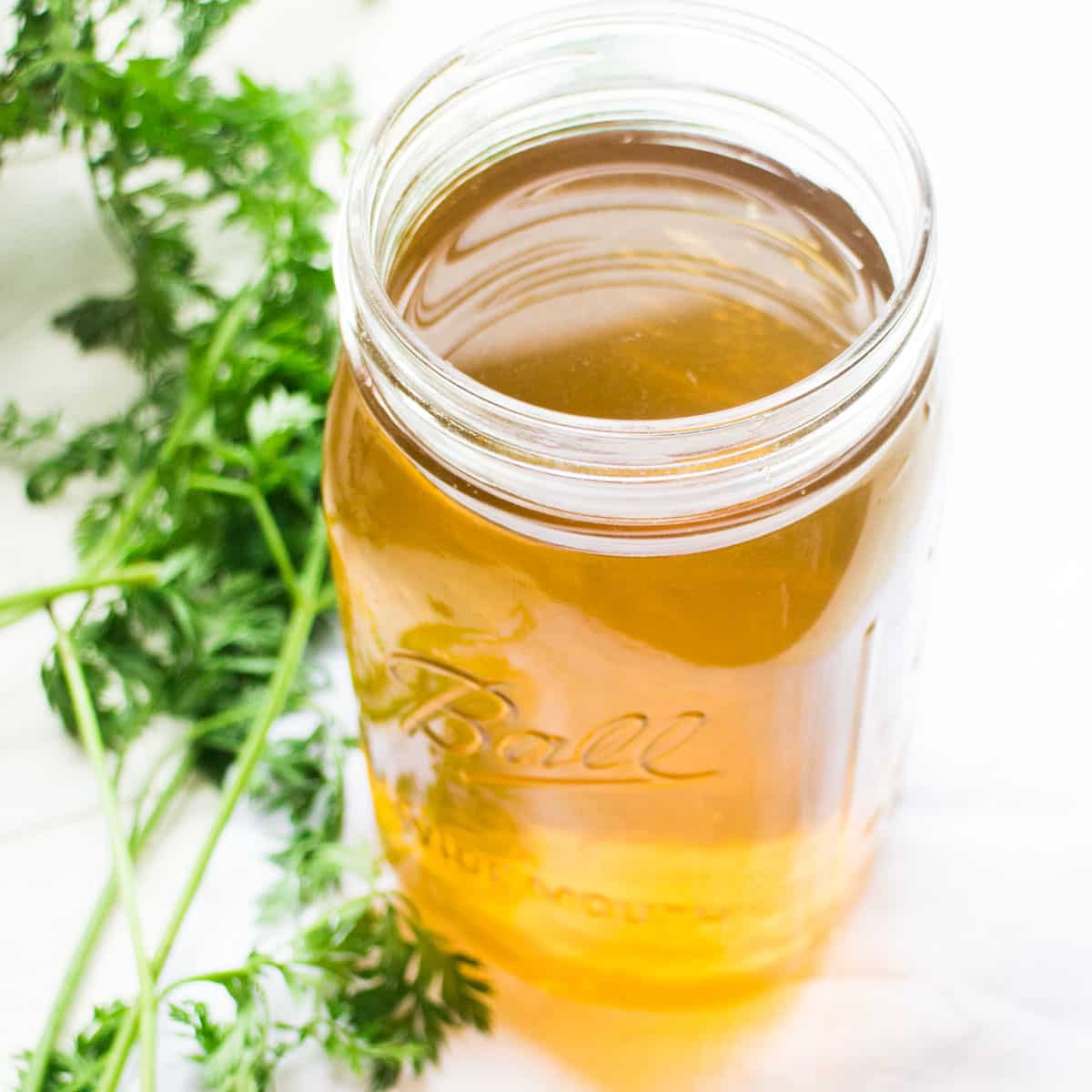
Are Carrot Tops Edible? Turn Them into Easy Homemade Vegetable Broth
For many home cooks and gardeners, the vibrant green tops of carrots are often seen as little more than decorative foliage, destined for the compost bin or, regrettably, the trash. But what if we told you that these leafy greens are not only edible but also a fantastic, flavorful secret ingredient for a truly rich and aromatic homemade vegetable broth? It's time to rethink your kitchen habits and embrace the full potential of your produce, starting with those often-discarded carrot tops. By transforming them into a savory
carrot tops vegetable broth, you'll embark on a journey of zero-waste cooking that's both economical and incredibly rewarding.
This article will delve into why you should stop discarding those precious carrot greens, guide you through the simple process of making your own delicious broth, and provide practical tips for storage and creative uses. Get ready to elevate your cooking and minimize your food waste!
Why You Should Embrace Carrot Tops for Your Broth
The practice of discarding carrot greens is largely a modern convenience-driven habit. Historically, and in many cultures today, these greens are utilized in various culinary applications. But beyond tradition, there are compelling reasons to incorporate them into your kitchen, especially when making broth.
Yes, Carrot Tops Are Absolutely Edible!
Let's settle the primary question right away:
Are carrot tops edible? A resounding yes! Not only are they safe to consume, but they also offer a distinct, earthy, and slightly bitter flavor profile that can add incredible depth to your cooking. While some find the raw greens a bit too bitter on their own, this characteristic mellows beautifully during the simmering process for broth, transforming into a subtle, herby note. In fact, many European markets sell carrots with their greens still attached, recognizing their value and encouraging their use.
Beyond their taste, carrot tops are also packed with nutrients. They contain vitamins like K and C, as well as minerals such as potassium and calcium. While you won't be consuming the solids after making broth, some of these beneficial compounds do infuse into the liquid, contributing to a more wholesome final product.
The Zero-Waste Advantage: Save Money and Reduce Food Waste
One of the most significant benefits of utilizing
carrot tops for vegetable broth is its profound impact on reducing food waste. Globally, food waste is a massive environmental problem, contributing to greenhouse gas emissions and squandering resources. By transforming what would typically be discarded into a valuable ingredient, you're actively participating in a more sustainable kitchen.
Furthermore, making your own broth from kitchen scraps like carrot tops is incredibly cost-effective. Store-bought vegetable broth can be surprisingly expensive, and its quality often pales in comparison to a homemade version. With just water, some simple seasonings, and your "free" carrot greens, you can produce a superior product for a fraction of the cost. This commitment to resourcefulness not only benefits the planet but also puts more money back in your pocket. To learn more about how this approach transforms your kitchen, check out our guide on
Zero-Waste Kitchen: Make Broth from Carrot Tops & Save Money.
Crafting Your Homemade Carrot Tops Vegetable Broth
Making your own
homemade vegetable broth using carrot tops is surprisingly simple and requires minimal effort. It's a forgiving process, making it perfect for beginners and seasoned cooks alike.
Essential Ingredients & Equipment
The beauty of this recipe lies in its simplicity. You don't need fancy equipment or a long list of exotic ingredients.
*
Carrot Tops: The star of our show! Collect the bushy green leaves from 1-2 bunches of carrots. If you're a gardener, you'll appreciate using every part of your homegrown harvest.
*
Water: The primary liquid base. Filtered water can sometimes yield a cleaner taste, but tap water works perfectly fine.
*
Bay Leaves: A classic aromatic that adds a subtle, earthy depth to any broth.
*
Salt: To taste, but start sparingly as you can always add more later when using the broth in a specific recipe.
*
Optional Kitchen Scraps: This is where you can truly customize your broth and further reduce waste. Consider adding:
* Onion skins and root ends
* Garlic peels and papery outer layers
* Celery ends and limp stalks
* Mushroom stems
* Parsley or cilantro stems
* Freshly peeled carrot peels (if you have them!)
* Any other non-starchy vegetable trimmings you'd typically discard. Avoid cruciferous vegetables like broccoli or cabbage, as they can impart a strong, sometimes unpleasant, flavor to broth.
For equipment, you'll need a large soup pot or Dutch oven, a fine-mesh strainer or colander, and a large heat-proof bowl or pitcher for straining.
Step-by-Step Guide to a Flavorful Broth
Follow these easy steps to transform your carrot greens into a rich broth:
1.
Prepare the Carrot Tops: Begin by thoroughly washing your carrot tops. This is especially crucial if they've come straight from the garden, as they can hold a surprising amount of dirt and grit. Swish them vigorously in a bowl of cold water, drain, and repeat until the water runs clear. Remove any yellowed or excessively wilted leaves.
2.
Combine Ingredients: Place the cleaned carrot tops into your large soup pot. Add 8 cups of water (or enough to generously cover the greens), 2-3 bay leaves, and about a teaspoon of salt. If using, add any other saved vegetable scraps at this stage.
3.
Simmer to Perfection: Bring the mixture to a rolling boil over high heat. Once boiling, reduce the temperature to a low simmer, cover the pot partially (this helps prevent too much evaporation), and let it gently cook for at least 1 hour. During this time, the carrot greens will soften and break down, releasing their flavorful compounds into the water. For a richer, deeper flavor, you can simmer it for up to 1.5 to 2 hours, checking occasionally to ensure there's enough liquid.
4.
Strain and Discard: Carefully pour the entire contents of the pot through a fine-mesh strainer or colander into a large, heat-proof bowl. Press gently on the solids with the back of a spoon to extract any remaining liquid. Discard the cooked carrot tops and other vegetable scraps (composting them is an excellent zero-waste practice!).
5.
Cool and Store: You should be left with approximately 7 cups of golden-green
homemade vegetable broth. Allow the broth to cool completely to room temperature before storing.
Tips for the Best Carrot Tops Broth
While the basic recipe is straightforward, a few additional tips can help you achieve the most flavorful and vibrant
carrot tops vegetable broth every time.
Sourcing and Cleaning
*
Garden Fresh vs. Store-Bought: If using carrot tops from your garden, the freshness will be unparalleled. Just be extra diligent about washing away soil. Store-bought carrots, especially organic ones, often come with their tops intact. Select bunches with bright green, perky tops rather than yellowed or slimy ones.
*
Immediate Use: Ideally, make broth with carrot tops soon after removing them from the carrots. If you can't, store them loosely wrapped in a damp paper towel in the fridge for a day or two.
Enhancing Flavor and Adjusting Taste
*
Herbal Additions: Beyond bay leaves, consider a few sprigs of fresh parsley, thyme, or even a rosemary sprig for different flavor profiles. Add these during the simmering stage.
*
Spice it Up: A few whole black peppercorns can add a subtle kick. For a hint of warmth, a pinch of turmeric or a slice of fresh ginger can also be lovely.
*
Addressing Bitterness: While simmering mellows the bitterness, some carrot varieties have more pronounced bitter greens. If your broth tastes too bitter, you can try adding a small amount of sweetness (like a quarter of an apple or a few extra carrot peels) to the simmering pot, or simply use less of the broth in recipes where bitterness might be unwelcome. Keep in mind that a slight bitterness can be a desirable complex note in many dishes.
*
Toasting: For a deeper, slightly smoky flavor, you can quickly sauté the carrot tops and other scraps in a little olive oil before adding water. This caramelizes some of their sugars and adds complexity.
Storage and Creative Uses for Your Homemade Broth
Once you've made your delicious
carrot tops vegetable broth, proper storage ensures you can enjoy its goodness for weeks or months to come.
Short-Term Storage: Refrigeration
Once cooled, transfer your homemade broth to airtight containers, such as mason jars or other food-grade containers. Store it in the refrigerator, where it will remain fresh and flavorful for 5-6 days. This is perfect for immediate use in your weekly meal prep.
Long-Term Storage: Freezing
For longer-term storage, freezing is your best friend. This allows you to build up a substantial stash for whenever inspiration (or chilly weather) strikes.
*
Freezer Bags: The most common method. Pour cooled broth into freezer-safe bags, leaving about an inch of headspace for expansion. Lay them flat on a baking sheet to freeze, then store them upright to save space.
*
Ice Cube Trays: For smaller portions, freeze broth in ice cube trays. Once solid, transfer the broth cubes to a freezer bag. These are perfect for adding a burst of flavor to sautéed vegetables, pan sauces, or cooking grains.
*
Airtight Containers: You can also freeze broth in rigid freezer-safe containers or even wide-mouthed mason jars, again leaving adequate headspace to prevent cracking.
Frozen
homemade vegetable broth is good for 6-8 months, maintaining its quality and flavor. To defrost, simply thaw it overnight in the refrigerator, or use your microwave's defrost setting for quicker results. For comprehensive tips on preserving your broth, check out
Freeze Homemade Broth: Maximize Carrot Tops, Minimize Waste.
Beyond Soup: Creative Culinary Applications
While perfect for soups, your
carrot tops vegetable broth is incredibly versatile:
*
Risotto and Grains: Use it as the liquid base for creamy risottos, fluffy quinoa, or flavorful couscous.
*
Sauces and Gravies: It adds depth to pan sauces, gravies, and reduction sauces for roasted meats or vegetables.
*
Braising Liquids: A fantastic choice for braising tougher cuts of meat or robust vegetables.
*
Steaming and Sautéing: Use a splash instead of water when steaming vegetables or deglazing a pan after sautéing.
*
Flavorful Poaching Liquid: Gently poach chicken, fish, or eggs for a subtle infusion of herbaceous flavor.
Conclusion
The journey to a more sustainable and flavorful kitchen often begins with small, conscious choices. By recognizing that
carrot tops are edible and transforming them into a delightful
homemade vegetable broth, you're not just making a delicious ingredient; you're actively participating in a movement to reduce food waste and save money. This simple act of culinary resourcefulness enriches your cooking, expands your palate, and contributes to a more mindful approach to food. So, the next time you bring home a bunch of carrots, don't just admire their roots – celebrate their greens and get ready to simmer up something truly special. Happy gardening and happy cooking!